Articles

Children

What are our children drinking?

In 2011 New Zealanders consumed a total of 392 million liters of carbonated drinks. Many of these were consumed by children.

In the 2002 National Children’s Nutrition Survey it was found that on a weekly basis children drank a variety of fluids.

NZ children’s weekly drinks consumption

Drink % consumption
Soft drink 45
Cola drinks 43
Mountain dew 9
Powdered fruit 54
Cordial/concentrate 32
Sports drink 8
New Age 6
Tea 21
Coffee 6
Juice 43
Milk 34

Outside of the drinking of milk and water there is real concern about the energy content of some of these beverages because of our rising incidence of diabetes and obesity.

The most recent NZ studies (2006/7 & 2008/9) found 1 in 5 children were overweight and 1 in 12 were obese. As obesity is a major risk factor for Type 2 diabetes experts warn that New Zealanders are facing a ‘diabetes tsunami’ if more is not done to help people to control their weight and improve their diet. Drinks that are high in sugar are also of concern to dental health.

What is all the fuss about?

  • With the exception of unflavoured milk the sugar  (carbohydrate) and energy content of many of these drinks is high which not only can have an obeseogenic effect but can also be harmful to tooth enamel.
  • Many of these drinks contain additives such as preservatives, colourings and flavouring agents that may affect the behavior of susceptible individuals. Along with caffeine many ‘new age’ drinks now also add vitamins, taurine, ginseng and guarana for added appeal. While these additions may be‘trendy’, they can not supplement or make up for an unhealthy diet
  • They can be expensive
  • Some of these drinks also contribute significant amounts of sodium that can reduce bone density.

Products aimed at young people are carrying mischievous names such as Illicit venom, Illicit rebel, Mother, Demon and Monster. For added effect some drinks also carry warnings and claims such as: “double hit”, “No limits”, “Fuels man genius”, “No Laws”, “vitalizes body and mind”. While young people do like to rebel they are still very self-conscious about their body, hair, skin and nails all factors that could be aided by drinking milk and water instead.

A comparison of common drinks

Serve Serving size Carbo
per serve
Carbo
per 100ml
Protein
per
100ml
Kj/kcal
per
100ml
Sodium
per
100ml
Calcium
per
100ml
Caffeine
per
100ml
Additives
Water 0 0 0 0 8.0mg 2.3mg 0
Powerade® 750ml 57 7.6 0 133/32 28 0 0 Acidity regulators (330, 331), Colour 133, flavours, tri-potassium citrate, sodium chloride, tri-potassium phosphate.
Mizone® 750ml 29 3.9 ≤1 69/17 23 0 0 Flavours, salt, Vit C, B3, B5, B6, B12, Colour 129
Loaded® 1000ml 75 7.5 0 131/31 43.4 0 0 Acidity regulators (330, 331), flavour, preservative 202, sodium chloride, tri-potassium citrate, potassium chloride, colour 133
Ice Tea 500ml 34 6.8 0 115/28 ≤5 0 0 Tea extract, Acids 296, 330, 331, antioxidant 300
Coca cola® 250ml 27 10.6 0 180/43 10 0 YES 150d, 338
Fanta® 250ml 31 12.3 0 212/50 5 0 0 Acids (330, 331), antioxidant 300, preservative 202
Lemonade 250ml 25 9.9 0 172/41 14 0 0 Acids (330, 331, 211)
Gingerbeer 250ml 28 11.3 0 197/47 8.4 0 0 Similar to above
Orange juice 250ml 24 9.6 ≤1 178/43 1 Vitamin A, C
Trim® milk 200ml 9.8 4.9 3.7 160/38 45 130mg 0 calcium
Calci-trim® 200ml 9.6 4.8 5.7 185/44 45 200mg 0 calcium, vitamin D
Light blue® 200ml 9.6 4.8 3.5 200 45 125mg 0
A2®
Primo® 200ml 18.8 9.4 3.3 180/67 40 115mg 0 Thickeners 407, Vitamin A, D
Calci yum® 250ml 20.5 8.2 3.4 252/60 42 193mg 0 Vegetable gums (400, 466, 470), calcium carbonate, flavours, Vitamin D
Iced coffee 200ml 16.4 8.2 3.5 270/65 40 115mg YES Caffeine, thickener 407, flavours
Yoghurt drinks 250ml 30.2 12.1 3 275/66 31 100mg 0 Thickeners (1440, 1442), Pectin, Halal gelatine, acidity regulator (330), lemon juice, Preservative 200, culture.
Up n Go® 250ml 27.5 11 3.5 320/77 60 160mg 0 Acidity regulators (332), Vegetable gums (460, 466, 470), vitamins
Mother® 500ml 52 10.4 0 195/47 52 0 32mg Food acids 330, 331, taurine, glucuronolactone, colours (150d, 104), preservative 202, caffeine, flavour, inositol, vitamins (nicacin, pantothenic acids, B6, B12), guarana extract
Lift Plus® 500ml 51 11.7 0 210/50 19 0 14.5mg Food acids (330, 331), flavour, colour (150d), preservative 202, caffeine, guarana extract, antioxidant 300, gingseng extracts, vitamins (niacin, thiamine)
500ml 53 10.6 ≤1 195/47 115 0 31mg Taurine, guarana extract, colour (caramel), glucuronolactone, preservatives (sodium benzoate, potassium sorbate), caffeine, inositol, vitamins (niacin B3, pantothenic acid, B6, riboflavin B2)
Demon® 568ml 68 12 ≤1 218/52 51 0 32mg Food acids (330, 331), flavours, taurine, preservative 202, colour 150c, caffeine, guarana extract, vitamins (niacinamide, pantothenic acid).
Red Bull® 250ml 27 11 0 192/46 40 0 32mg Taurine, caffeine, glucuronolactone, inositol, vitamins (niacinamide, pantothenic acid), B6, B12, flavours, colours (caramel , riboflavin)

Caffeine and Guarana

  • Caffeine is a substance that occurs naturally in the leaves, nuts and seeds of a number of plants.
  • Guarana is a climbing plant, native to Brazil that acts as a stimulant and provides approximately twice as much caffeine as found in coffee beans.
  • Major dietary sources of caffeine, such as tea, coffee, chocolate and cola drinks typically provide 30-100 mg of caffeine per serve, while some non-prescriptive medications contain 100 -200 mg of caffeine per tablet.
  • The recent introduction of caffeine (or guarana) to ‘energy drinks’, confectionery and sports foods/supplements has increased.
  • Any benefit to the addition of caffeine to drinks is likely to involve the reduced perception of effort or fatigue as well as direct effects of muscle.
  • At higher levels of intake, caffeine has the potential to cause increases in heart rate, impairments or alterations of fine motor control and technique, and over-arousal (interfering with recovery and sleep patterns). Impairment of technique may affect the performance of a number of sports, and over-arousal may interfere with the ability to recover between training sessions, or multi-day competitions. These concerns add to the importance of finding the lowest effective dose of caffeine that can be used to achieve a performance enhancement.
  • Although evidence of specific health problems is equivocal, long-term intake of large amounts of caffeine (>500 mg per day for adults) are generally discouraged by health authorities and there are no safe levels of caffeine for children.

Taurine

  • Taurine is an amino sulphonic acid, promoted as having a detoxifying effect opening the muscles to improve sugar uptake. In reality humans are able to synthesize Taurine from protein rich foods in the diet such as meat and sea foods.

Gingseng

  • A root found in America and Asia that has a mildly stimulating effect.

B group vitamins

These vitamins assist energy metabolism in the body but widely occur in foods.

  • Vitamin B1 Thiamin and B6 are found in whole grains
  • Vitamin B2 Riboflavin and B12 is found in eggs and dairy products
  • Pantothenic acid is widely distributed in most unprocessed foods.
  • Vitamin B3 Niacin is found in meat, coffee,fish and whole grains.

How do these drinks compare on price?

The range of cheap drinks available is growing and now that Coke Cola is available in 2L bottles it is proving cheaper than even milk bought in bulk..

Drink Type Range Cost per 100ml Examples
Coke cola 0.19 2L
Water 0.28-0.87 Flavoured water, coconut, vitamin added
Sports drinks 0.43 Powerade
Iced tea 0.51 Liptons
Energy drinks 0.45-0.79 Mother, Lift plus, V, Monster, Demon, Illicit
Soft drinks 0.56-0.73 Fanta, lemonade, coke, ginger beer
Juice 0.87 Pure orange
Milk drinks
Bulk milk 0.18-0.24 Calci-trim, trim, light blue, A2
Flavoured milk 0.47-0.84 Primo, calci yum, iced coffee
Yoghurt drinks 0.66-1.59 Drinking yoghurt, The Collective yoghurt
Soy milk 0.74 Up & Go

Competition in the beverage market

Competition in the beverage market place is fierce.

Schools

Regulations regarding the sale of healthy foods and beverages in school canteens (NAG. 5 s3) were removed by the government in 2009 concerned that such regulations on food choice were adopting a “nanny state” approach. This was to the dismay of health professionals as research supports the view that children learn more about healthy eating when their environment e.g. tuck shops, school camps and fund-raising activities, also supports healthy food choices. Studies of schools in Western Australia that have adopted healthy food and drink policies were pleasantly surprised to find an increase in canteens reporting break-even and both parents and children generally accepted the need to make dietary changes in an effort to reduce obesity and improve child health (Pettigrew 2012).

Luckily the NZ Heart Foundations Healthy Heart Award is still available for schools here who want guidelines on providing healthier food choice in their canteens(http://heartfoundation.org.nz).

Incentives

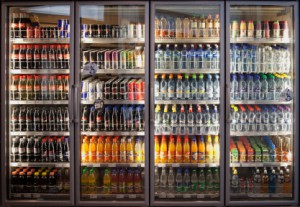
In schools, sporting venues and club rooms soft drink companies not only provide free refrigerators for their products but also help these organisations with their fund-raising by offer sponsorship to sports teams for equipment and team uniforms. Fonterra’s recent decision to trial the provision of free milk and refrigerators in some schools is an initiative welcomed by many within the community who are wanting healthy beverages readily available for our children.

Placement

Recent research (Smith 2010) has found that much of the food and beverages being marketed to young children in the unregulated environment of sporting venues is energy dense and nutrient poor. Not only do 92% of NZ children play sport but within this environment but there is also the opportunity to provide a range of marketing strategies e.g. sponsorship, celebrity endorsements, free giveaways, fundraising incentives etc. to promote “junk foods” to children

What can parents do?

  • Keep soft drinks for special family occasions rather than serving them on a weekly or daily basis.
  • If children are overweight always provide a lower energy (diet) option and seek professional help.
  • Sports drinks are only useful as an electrolyte replacement in situations where sweat losses occur. As most children don’t sweat before puberty then these drinks can be limited to use by adolescents, leaving younger children to drink milk or water.
  • Encourage children to drink more milk by offering them a milk shake or smoothie after school. For recipes visit our milkshake ideas. If you are concerned about your childs consumption of these drinks or are wanting to assess the impact of soft drink on your child’s daily energy and nutrient intake then contact us for a nutritional assessment.

About the author View all

Lea Stening

Lea is one of New Zealand’s leading paediatric dietitians and also specialises in Sports Nutrition. She has specialised in Paediatric Nutrition for 31 years and in 1985 was the first paediatric dietitian to enter private practice in New Zealand. Lea helps families through her private consultations, public lectures, newspaper and magazine articles as well as television and radio interviews. Read more »

View all posts by Lea Stening »

Comments

Showing 2 comments

  1. Andrea

    How do we decide exactly how much water a child should be drinking in a day? Thanks

    » Reply

Also in Children View all »

  • healthy hamburger

    Healthy ideas for family takeaway meals

    Did you know that in 2012 around 21% of New Zealander’s weekly food expenditure was spent on eating out and takeaways? Read more »

  • salt 3

    It’s important to monitor children’s salt...

    Concern is growing in New Zealand that our salt intake is increasing and that this may be detrimental to our health, particularly for children. Read more »

  • Father helping child.

    Playtime helps combat childhood obesity

    NZ children are getting fatter at a younger age That doesn't mean that we need to consider dieting our children or dragging our toddlers around the race track but we do need to look at some simple things we can do to get healthier together. Read more »

  • Girls measuring themselves

    Child growth rates vary

    Does your child still fit last year's school uniform? It is surprising how much growth can occur over the school holidays Read more »

  • fresh free vegetables

    “Free foods” for hungry children

    Free foods", while bulky, are very low in energy and filling. So their cost in terms of calories is much lower than most other dietary components, hence the term "free". As these foods are also naturally fat free they make ideal snacks for anyone trying to control body weight Read more »

  • child near smoker

    Nutrition suffers when children smoke

    The smaller lungs and lighter weight of young children increases their vulnerability to the harmful effects of second hand smoke Read more »

  • Family Baking

    Teach your child to cook for better health

    Is your child able to prepare a simple meal? Can you? A British poll in 1994 of seven to 15 year-old children found 93% could play computer games, but only 38% could cook a potato in its jacket in the oven. Another 61% of children could programme a video to record, but only 54% could boil an egg. A survey last year found that little had changed. Read more »

  • birthday parties

    Party plans for children

    Birthday parties should be fun and the chance to celebrate a child’s special day with a minimum of work and cost for busy parents. If the party can be timed to fit around a normal meal time then “junk” foods can be kept to a minimum. Read more »

  • People - Obesity Montage

    Could your weight be disabling you?

    The human body is hugely resilient, constantly strengthening muscles and remodeling bones and joints to take up new loads. However as we age and weight is gained and lost, metabolic changes can take place that alter this remodeling process and can set us on a path to failing mobility and independence. Read more »

  • baby boy

    Obesity problems may start in the womb

    Overweight and obese women are a greater risk of developing complications endangering their own health during pregnancy and are also more likely to bare children who are overweight themselves Read more »

  • baby teething

    8+ Tips for managing teething troubles

    Few children escape teething without some discomfort. Rosy flushed cheeks, a runny nose, irritable behavior, disturbed sleep and bowel function are all hallmarks of tooth eruption Read more »

  • picky eaters

    “Picky” eating affects all age...

    Picky eating, food aversions or fads can affect people of all ages and can be a major source of frustration for those trying to prepare meals. Read more »

  • overweight girl with burger

    Community support for overweight children

    Easter can be a very difficult time for overweight children and their parents. The pressure begins in supermarkets and garages that begin stocking chocolate treats months before the holiday weekend starts. Much of this confectionary is displayed at the point of purchase and end of shopping aisles to increase the likelihood of impulse buys. Read more »

  • baby being spoon fed

    Who controls feeding – the mother or the...

    Studies of toddlers aged 20 months to 6 years, that examined baby-led weaning versus traditional spoon feeding methods have found that feeding method can influence food preferences and health related outcomes in later life. Read more »

  • athlete with milk drink

    The protein needs of young athletes

    Many secondary school athletes are training for more than 10hrs per week and are competing nationally or alongside adults in events such as The Speight’s Coast to Coast, La Grande Swim, Le Race etc. At a time when they are also growing, young athletes may need as much as 50% more protein than their more … Read more »

  • Bone growth and children

    Children’s bone growth and gut health...

    Every parent wants their children to grow. But the height that they finally reach is dependent on factors such as growth hormone, genetics and nutrient availability. While we can’t change genetics after their arrival or growth hormones easily, nutrient availability can make the difference and is something parents can influence and need to be more … Read more »

  • wash hands

    Teach children hygiene

    Protect your family, particularly over summer months, from food borne illnesses by teaching your children simple rules of food safety. Every year a large number of children suffer food poisoning in New Zealand caused by contaminated food. These cases can be very severe particularly in young children and the elderly who may suffer from dehydration … Read more »

  • Senior doctor checking his patient

    Infant nutrition influences blood pressure...

    Scientific evidence suggests that environmental factors acting early in life may affect blood pressure in adult life. A study in Britain in 2004 supported earlier studies on infant nutrition and blood pressure that show a small reduction in systolic blood pressure in children breast-fed compared to those who were bottle-fed. Other advantages of breastfeeding: Breast … Read more »

  • pregnant alcohol and smoking

    Nutrition for healthy conception

    If improving your fertility is on your mind right now then take a moment to review your current lifestyle. Are you getting plenty of exercise e.g. 4-5 hours per week? Are you at a healthy body weight? How much alcohol do you drink? If you smoke can you stop? Infertility affects many couples and common … Read more »

  • Sugar

    Sweeteners

    Public awareness of sugars within our diet has slowly increased in recent years. Whilst fat has borne the majority of blame for its implication in development of excess body weight, sugar has escaped relatively lightly. Low fat foods have resulted in increased contribution of sugar to ensure suitable taste and mouth feel for consumers. Total … Read more »

  • teenager food avoidance

    Motivating adolescents to eat healthy foods

    As children reach adolescence it can become more difficult for parents to monitor and control their food intake. At a time when they most need optimal nutrition to promote physical growth and development they often develop a range of likes and dislikes greater than when they were a toddler. Parents can be forgiven for feeling … Read more »

  • Aim for consistency in children’s feeding...

    Research shows that while two parent families outnumber single parent families by 2:1 there are still around 300,000 parents in NZ raising their children alone. Fathers are playing a greater role in their children’s feeding and also children maybe minded by other extended family members through out the day. To ensure that the child receives … Read more »

  • Girl With Spoon

    Vegeterian diets

    If you are a parent wanting to provide a vegetarian diet for your child then you need to take particular care to ensure that your child has an adequate intake of the following nutrients: Protein for growth Eggs, cheese and beans are good sources. Energy to fund growth and activity These can be low because … Read more »

  • Allergy awareness

    Many environmental factors are known to trigger an allergic reaction. For instance pollens (particularly during spring), strong odours, animal fur, dust mites and even the food we eat. What is a food allergy? An allergy is the abnormal response of our immune system to certain food that in other individuals is harmless. The reaction observed … Read more »

  • Breakfast

    The early morning energy boost – what foods...

    Eating breakfast would have to be the most important start to your child’s day. Literature suggests that children that consistently eat breakfast have a much better nutritional adequacy, less nutrient deficiencies and have improved school performance, both physically and mentally. Unfortunately the National Children’s Nutritional Survey (2002) revealed that 12.9% of boys and 19% of … Read more »

  • Anxiety and children

    Helping children to cope with anxiety

    Children, like most of us initially, are afraid of things that they can’t understand or control, and strange or new situations Read more »

  • Exercise and pregnancy

    Safety If your pregnancy is uncomplicated then daily, regular exercise is safe and may benefit your health in the following ways: It helps to relieve aches and pains Reduces constipation Strengthens your joints and muscles Reduces anxiety and stress Helps you to sleep better Overall it can make you feel more confident about the way … Read more »

  • Baby

    What pregnant women can do to prevent health...

    Recent media hype regarding a new study linking parental nutritional intakes to genetic changes in the unborn baby has seemingly caused some confusion amongst the general public about what is a sensible approach to good nutrition during pregnancy and the key issues this study raises. The University of Southampton study; which was a small study … Read more »

  • smart boy thinking

    Brain foods

    What we eat and when we eat has a profound affect on the speed at which we make decisions, learn and remember things Read more »

  • pregnant woman swimming

    Exercise in pregnancy

    All healthy women without any contraindications should participate in moderate intensity aerobic and strength conditioning exercises as part of a healthy lifestyle during their pregnancy. This is to ensure a good fitness level is achieved and/or maintained throughout pregnancy which assists physiological reserves of both mother and baby without affecting growth. Additional pelvic floor exercises … Read more »

  • Celebration

    The effects of early alcohol exposure on children

    The human brain functions rather like a computer and the age at which a child is exposed to alcohol affects the ‘hardware’ (structure and size) and ‘software’ (processing ability) of this vital organ. When a pregnant woman drinks during the early first trimester of her pregnancy infant growth is affected and there is an increased … Read more »

  • Listeria

    Listeriosis is a food bourne infection resulting from the consumption of contaminated food. Certain groups of the population are considered to be of greater risk of listeriosis. Pregnant women & their unborn baby Those who are unwell and/or have compromised immune function e.g. long term illnesses Food safety can reduce the risk of developing serious … Read more »

  • baby drinking wine

    Alcohol in breastfeeding and pregnancy

    As adults we have the right to decide if we would like to drink alcohol and how much we feel is an acceptable amount. Developing foetuses have to rely upon their mother’s decision making and as a result can be involuntarily exposed to alcohol in the womb. Foetal Alcohol Syndrome affects 1-3% infants per 1000 … Read more »

  • student under pressure

    Hardwiring our kids

    There is a school of thought that children gain independence if they are encouraged to make their own lunches, after school snacks and simple meals. While this is good in theory there are times of stress when it simply may not be appropriate. For instance if your child is: Sick Pressured by extra homework Striving … Read more »

  • Teenagers – they rove-eat-sleep and grow!

    Adolescence is a time of rapid growth and development. Feeding patterns change and often family mealtimes are interrupted by sporting events or after school work commitments. They also want to spend more time with their friends eating away from home or on the run. This can stretch the family budget if children want more pocket … Read more »

  • healthy school lunch

    School lunches

    While lunches can be a hassle to make they benefit a child’s growth, weight, concentration, mood, behaviour and learning ability. Here are a few things to consider when planning lunches. Quantities - are dependent on your child’s age, appetite and commitments after school. If a child has a job, sport or drama practice that prevents … Read more »

  • Reducing childhood obesity

    Much has been written about the reasons for childhood obesity. Research has shown us that: When children watch TV and eat at the same time, then their intake of fruit and vegetables declines and their choice of high fat snack foods increases. When children stop watching TV they exercise more. Not because they embark on … Read more »

  • girl with fish

    Fish for good child nutrition

    Fish Safety During Pregnancy Many women avoid eating fish during pregnancy because they are concerned that they may contract Listeriosis which can cause miscarriage and still birth. As Listeria will grow on refrigerated food careful food handling is necessary.The Minister of Health recommends that pregnant women avoid smoked and raw seafood but cooking fresh fish … Read more »

  • Coping with school holidays

    School holidays can really tax the energy of parents and children and can also be a time of rapid weight change. For underweight children it is easy to sleep in and miss meals and snacks important for growth. With overweight children (and parents) there’s greater opportunity to graze or eat extra snacks at home or … Read more »

  • Childhood obesity – environmental factors

    Experts agree that obesity problems appear to stem from an upset energy balance, with more energy dense foods being consumed and less exercise to expend that additional energy. Our society is becoming more and more sedentary for many different reasons. Modern equipment has replaced much of the physical work needed to further our needs and … Read more »

  • Healing teeth

    Dental health focus

    Oral health and nutrition have a very synergistic relationship; if we impair our functional ability to eat, we in turn also affect our diet and nutritional status. When investigating dental health risk factors, children form one group of those considered to be at highest risk of developing oral health problems. Adequate nutrition is essential both … Read more »

  • girl cooking

    Creative kids

    Isn’t school great? It encourages social interaction and the development of important relationships, young minds are challenged and educational ideals are developed. Yet ask any child what they are most looking forward to at this time of year and I can guarantee the majority will answer “School Holidays”. For many parents this becomes a time … Read more »

  • Boy on sofa with TV remote no 1

    Do your kids a favour – turn off the tv

    While for many families it may be seen as a good way to unwind, relax and fill in time, particularly on wet days, research is finding that television and video viewing could be harmful to our children. There is now scientific evidence that too much television is affecting our health in some of the following … Read more »

  • girl cooking eggs

    Food for the school holidays

    Unleash the Jamie Oliver in your child these school holidays and teach your children to cook. Start with a hearty breakfast No matter what time they get up encourage them to eat a hearty breakfast. Even very young children can learn to make porridge in the microwave following directions on the packet.  If you don’t … Read more »

Do you know you can subscribe to our fantastic FREE monthly newsletter?

Each month we'll keep you up-to-date with the latest nutritional articles and healthy recipes from LeaStening.com. You are free to opt out at any time, but we think you'll enjoy what we've got in-store for you.

Plus as a bonus offer — subscribe today and receive FREE weight loss tips for two weeks! Learn how a number of foods, many one would consider 'healthy', may in fact be slowing your progress.

Subscribe

Yes please, sounds great! (and it's FREE after all).


OR

Enter

No thanks, I'm not interested (or I'm already a subscriber and really enjoying these fantastic newsletters!).