-
If we are to adopt a more plant based diet how will athletes meet their nutritional needs for protein, energy and vital nutrients? Here we offer some 6 tips on how to increase vegetable intake for better performance. Read more »
-
Iron is important for happiness because without it our moods change and physical performance deteriorates. Are you getting enough?
Read more »
-
Increasing the confidence of children to cook from scratch is now seen as part of the strategy to reduce chronic diet related disease and obesity. We offer 12 top foods to know how to cook before leaving home. Read more »
-
To 'grow' a healthy athlete it takes a combination of genetics, training, hard work, good coaching, time and most of all the 'right' food. Read on and learn how. Read more »
-
We take every part of our body for granted but have you ever considered how miraculous your hair growth really is? Do you feed it well? Find out. Read more »
-
Do you get your 5+ A Day servings of fruit and vegetables? Learn how gardening and creative activities can improve your consumption of these foods and maximise their nutritional benefits for better health. Read more »
-
In a bid to reduce the intake of processed foods many food manufacturers are modifying their products to meet new food guidelines particularly regarding salt. Find out if you are still getting too much? Read more »
-
While some supplements are well recognised as being useful to performance others can lead to positive drug testing and disqualification as well as endanger long-term health. Read more »
-
A child can build their confidence and self esteem if monitoring their growth rate is accompanied by positive health messages about weight, fitness and energy to achieve in life. Read more »
-
Despite the proliferation of information linking a healthy diet with weight control the rates of obesity around the world continue to grow.1
Could it be that adults and children misperceive their weight or lack the self- efficacy to make changes?
Read more »
-
Distance running and “fun runs” (and walks) of varying length and degree of difficulty are becoming popular, attracting family and community groups; recreational and elite participants. Paying attention to sports nutrition can improve an athletes performance and enjoyment of these events Read more »
-
The food that children eat is influenced by TV advertising, peer pressure and their likes and dislikes but by far the greatest influence is the food that their parents choose for them at the supermarket that may also reflect their parenting style. Read more »
-
Grandparents can offer support to parents when they recognise that feeding problems may exist in their children. Also they can help to educate the young about the importance of good nutrition to physical and mental development and disease prevention Read more »
-
How safe is cow’s milk in the raw and homogenised state? When can cow’s milk be given to infants and how can we protect children against developing allergies to cow’s milk? These are just some of the questions that have come up in the media lately and are in need of some clarification Read more »
-
NZ children are getting fatter at a younger age That doesn't mean that we need to consider dieting our children or dragging our toddlers around the race track but we do need to look at some simple things we can do to get healthier together. Read more »
-
Despite the apparently healthier lifestyle vegetarian athletes (like anybody) can still become overweight, hungry, bloated and suffering from multiple nutrient deficiencies. Read more »
-
Does your child still fit last year's school uniform?
It is surprising how much growth can occur over the school holidays
Read more »
-
Free foods", while bulky, are very low in energy and filling. So their cost in terms of calories is much lower than most other dietary components, hence the term "free". As these foods are also naturally fat free they make ideal snacks for anyone trying to control body weight Read more »
-
The smaller lungs and lighter weight of young children increases their vulnerability to the harmful effects of second hand smoke Read more »
-
Is your child able to prepare a simple meal? Can you? A British poll in 1994 of seven to 15 year-old children found 93% could play computer games, but only 38% could cook a potato in its jacket in the oven. Another 61% of children could programme a video to record, but only 54% could boil an egg. A survey last year found that little had changed.
Read more »
-
Birthday parties should be fun and the chance to celebrate a child’s special day with a minimum of work and cost for busy parents. If the party can be timed to fit around a normal meal time then “junk” foods can be kept to a minimum.
Read more »
-
An eating disorder can affect anyone at any age, any sport, any background and any gender. The symptoms may build slowly well before the illness becomes evident. Often it is an athletes support team such as parents, friends, team mates and coaches that pick up on the symptoms and can prevent the disorder from ruining the athletes sporting career. Read more »
-
Athletes protect your smile and your wallet as painful tooth erosion is not only expensive it can also rob your training time and performance. Read more »
-
In 2015 New Zealanders consumed a total of 518 million liters of carbonated drinks.
Outside of the drinking of milk and water there is real concern about the energy content of some of these beverages because of our rising incidence of diabetes and obesity.
Read more »
-
Picky eating, food aversions or fads can affect people of all ages and can be a major source of frustration for those trying to prepare meals. Read more »
-
Easter can be a very difficult time for overweight children and their parents. The pressure begins in supermarkets and garages that begin stocking chocolate treats months before the holiday weekend starts. Much of this confectionary is displayed at the point of purchase and end of shopping aisles to increase the likelihood of impulse buys. Read more »
-
Fonterra’s announcement that it will sponsor free milk in schools is good news for the future health of young New Zealanders. Milk is promoted on the basis of bone health but there are many other health benefits that should be promoted.
Read more »
-
Every parent wants their children to grow. But the height that they finally reach is dependent on factors such as growth hormone, genetics and nutrient availability. While we can’t change genetics after their arrival or growth hormones easily, nutrient availability can make the difference and is something parents can influence and need to be more … Read more »
-
Protect your family, particularly over summer months, from food borne illnesses by teaching your children simple rules of food safety. Every year a large number of children suffer food poisoning in New Zealand caused by contaminated food. These cases can be very severe particularly in young children and the elderly who may suffer from dehydration … Read more »
-
Research shows that around 300,000 parents in NZ raising their children alone. Consistent nutrition messages are important to child health when care is shared between parents and other family members. Read more »
-
If you are a parent wanting to provide a vegetarian diet for your child then you need to take particular care to ensure that your child has an adequate intake of the following nutrients: Read more »
-
Eating breakfast would have to be the most important start to your child’s day. Read more »
-
Young children and adolescents are not little adults – dehydration can be a real problem for young athletes. Find out why? Read more »
-
Children, like most of us initially, are afraid of things that they can’t understand or control, and strange or new situations Read more »
-
Over the past few months media attention has focused on our drinking habits. While the emphasis has been on teenage binge drinking the message is loud and clear. We all need to change our drinking habits. Read more »
-
What we eat and when we eat has a profound affect on the speed at which we make decisions, learn and remember things Read more »
-
If children sleep in what happens to breakfast? Read more »
-
If planning a party think back about the party you most enjoyed. Follow our tips for being a caring host. Read more »
-
Young developing athletes are an incredibly challenging group to work with because they are usually in the middle of adolescence and experiencing considerable physical and emotional change. Read more »
-
Those who enter adulthood with a good level of cardiovascular fitness have been found to be least likely to develop cardiovascular risk factors such as high blood pressure, diabetes and even metabolic syndrome later in life. Read more »
-
Do you ever notice how your adolescent child hovers between needing you one day and not the next. Knowing when to help them out can be important to their nutritional intake, growth and development. Read more »
-
During adolescence feeding patterns change and often family mealtimes are interrupted by sporting events or after school work commitments. Read more »
-
While lunches can be a hassle to make they benefit a child’s growth, weight, concentration, mood, behaviour and learning ability. You can benefit too. Read more »
-
Much has been written about the reasons for childhood obesity and research is now pin pointing some important measures that parents and care givers need to be aware of in order to bring about change Read more »
-
School holidays can really tax the energy of parents and children and can also be a time of rapid growth and change in body weight. Read more »
-
Community design in many sprawling western cities, has resulted in shops and services being more widely spaced, making it less likely for us to walk to our destination, driving to work, school and the grocery shop. Read more »
-
Oral health and nutrition have a very synergistic relationship; if we impair our functional ability to eat, we in turn also affect our diet and nutritional status. Read more »
-
School holidays and weekends are a great time to get the children involved in creative activities such as cooking, gardening, shopping and art all of which can help to build theirself esteem, knowledge, confidence and better mental health. Read more »
-
While for many families it may be seen as a good way to unwind, relax and fill in time, particularly on wet days, research is finding that television and video viewing could be harmful to our children. Read more »
-
Unleash the Jamie Oliver in your child these school holidays and teach your children to cook. Read more »
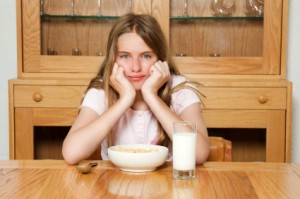 As children reach adolescence it can become more difficult for parents to monitor and control their food intake.








Leave a Reply